Day-ahead spreads are just the tip of the iceberg. Anyone who calculates the costs of electric boilers, battery storage or CHP plants based solely on day-ahead prices overlooks the majority of potential revenue – and often allows investment decisions to fail due to a supposed lack of profitability that, in reality, already exists. The current report by Dr Markus Fleschutz highlights just how much value is actually on the table when spot and balancing reserve markets are considered in tandem.
— Note: This is a summary of the article “Cross-Market Flexibility Trading in Industry – Revenue Potential, Suitable Facilities and Regulatory Perspectives” by Dr Markus Fleschutz, published in VIK Mitteilungen 2|26, a publication by the association of industrial and commercial energy users in Germany. The full article (German only) can be found at the bottom of the page as a PDF. —
Electricity Market Volatility as a Revenue Source for Energy-Intensive Industry
576 hours of negative day-ahead prices in 2025, almost nine times as many as in 2022. Four-figure intraday spreads becoming the norm. Balancing power prices that have been at a multiple of their previous levels since the energy crisis. For energy-intensive sites, this creates a paradoxical situation: the very volatility that makes energy costs difficult to calculate is also the basis for new revenue potential. To fully unlock this potential, all relevant market segments – day-ahead auctions, continuous intraday trading and balancing reserves (FCR, aFRR, mFRR) – must be included in flexibility trading.
Cross-Market Optimisation: Revenues Across Spot and Balancing Reserve Markets
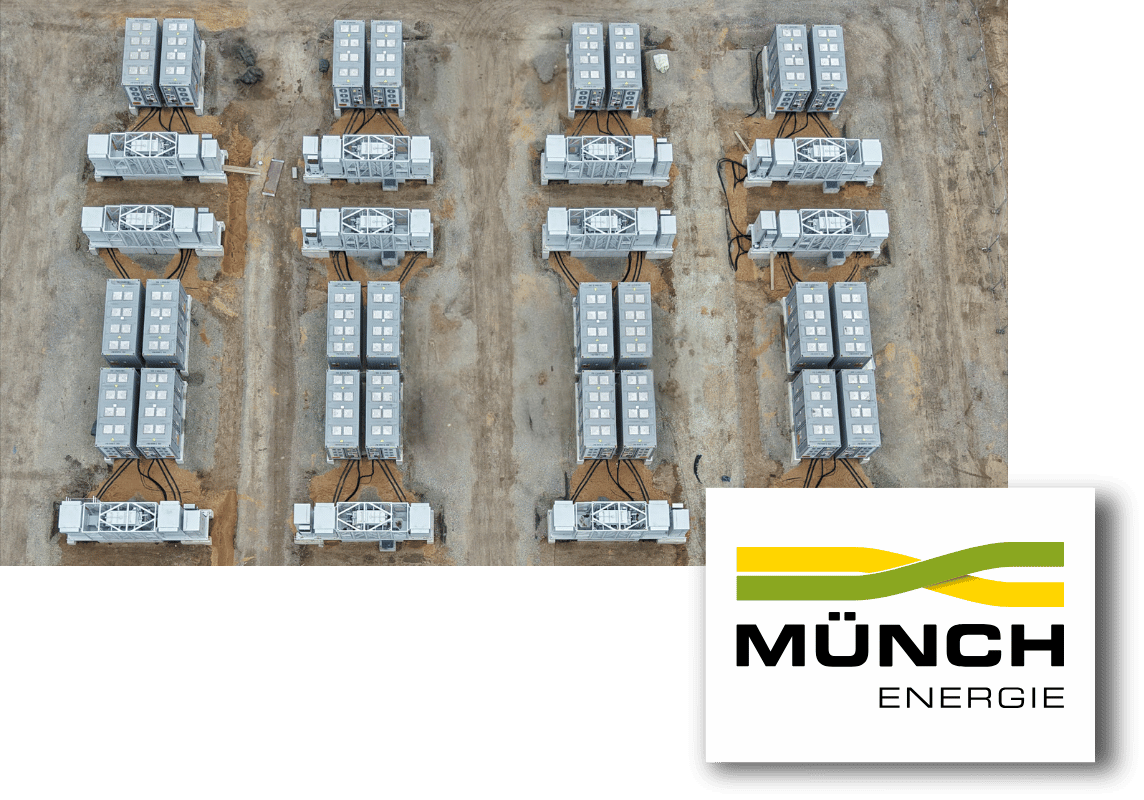
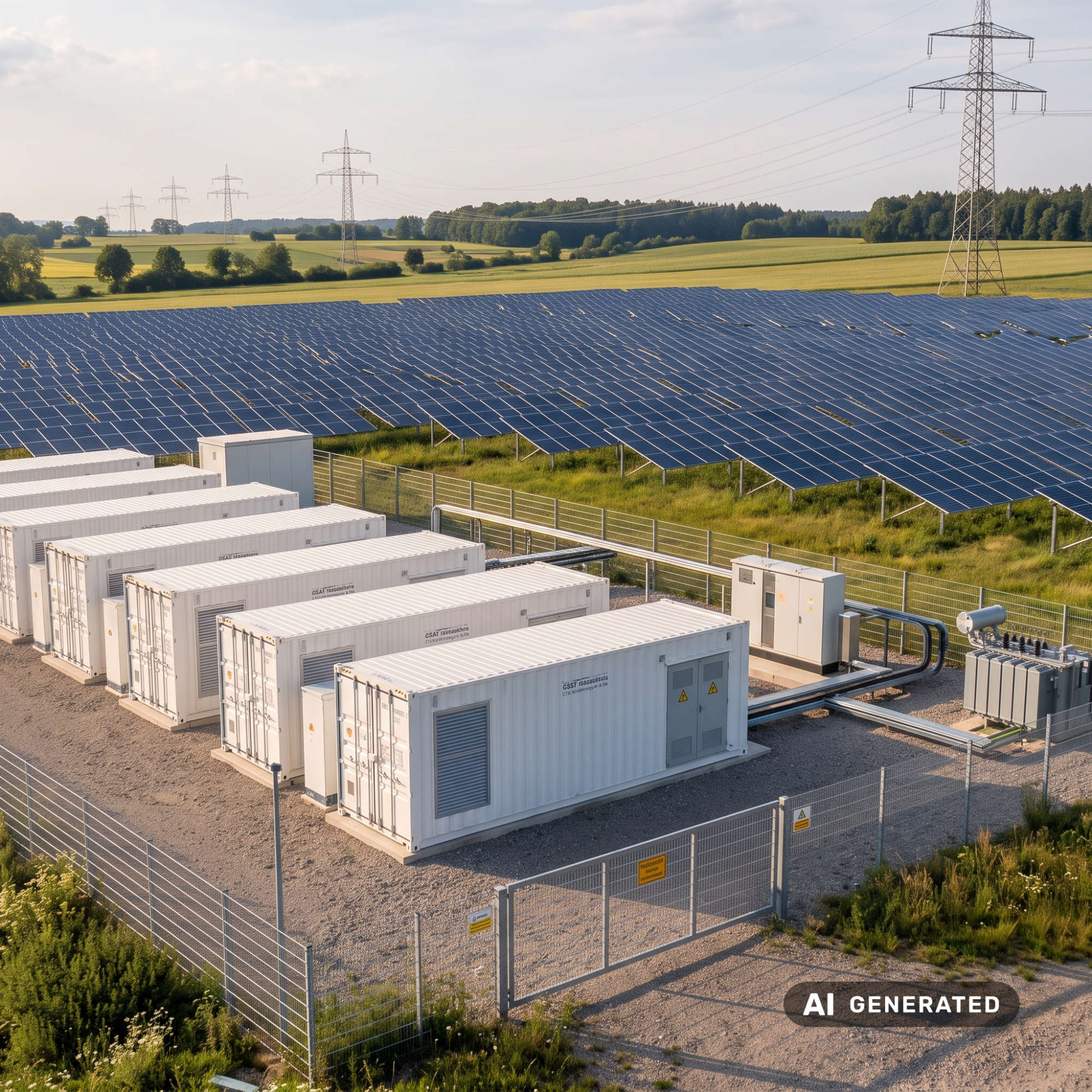
Instead of following a rigid schedule, cross-market optimisation uses algorithms to allocate a flexible plant in real time between day-ahead auctions, intraday trading and balancing reserves – always to where the contribution margin is highest. Analyses of historical market data show that revenues from highly flexible plants can often be more than tripled compared to a pure day-ahead strategy. Of course, not every type of plant is equally suited to trading on all markets. Battery storage, power-to-heat plants, as well as steam turbines, gas turbines and combined cycle power stations have proven to be particularly advantageous. Shiftable industrial processes also enable revenue generation without investment in new plant. And even sites without their own flexibility plant can measurably reduce balancing energy costs through algorithmic management of the balancing group, for example in the case of PPA-linked electricity procurement.
Grid Connection and the AgNes Reform: Regulatory Drivers for Industrial Flexibility
One aspect that is often overlooked is the economic value of an already approved grid connection capacity. New connections take years to secure, are sometimes granted only as a Flexible Connection Agreement (FCA), or are rejected altogether. Capacity freed up by the decommissioning of existing fossil fuel plants should therefore be reserved for new flexible facilities. At the same time, the ongoing grid tariff reform (AgNes) is changing the rules of the game: the current system for special grid tariffs under § 19 (2) of the StromNEV (German Ordinance on Tariffs for Access to Electricity Supply Networks) penalises flexible behaviour; the successor models under discussion are intended to reverse this incentive. This has concrete implications for profitability calculations, plant sizing and the integration of specialised flexibility service providers.
The full article provides a concise overview of the relevant market segments, their technical requirements and revenue structures; describes in detail the suitable plant types; explains why cross-market optimisation is no longer a niche topic and is also feasible for industrial companies without large-scale flexible plants; and offers practical advice on how to take action.